Estate Planning for Seniors to Protect Your Family and Assets
Essential Estate Planning for Seniors: Safeguarding Your Legacy
Estate planning serves as a key activity for seniors, offering a shield for their legacy. It goes beyond simply making a will; it involves a full evaluation of assets and healthcare preferences. By understanding the nuances of wills, trusts, and directives, seniors can assure their wishes are respected. However, common pitfalls can impede these plans. Reviewing these elements can demonstrate the importance of a well-designed estate plan. What actions should seniors prioritize to protect their legacies successfully?
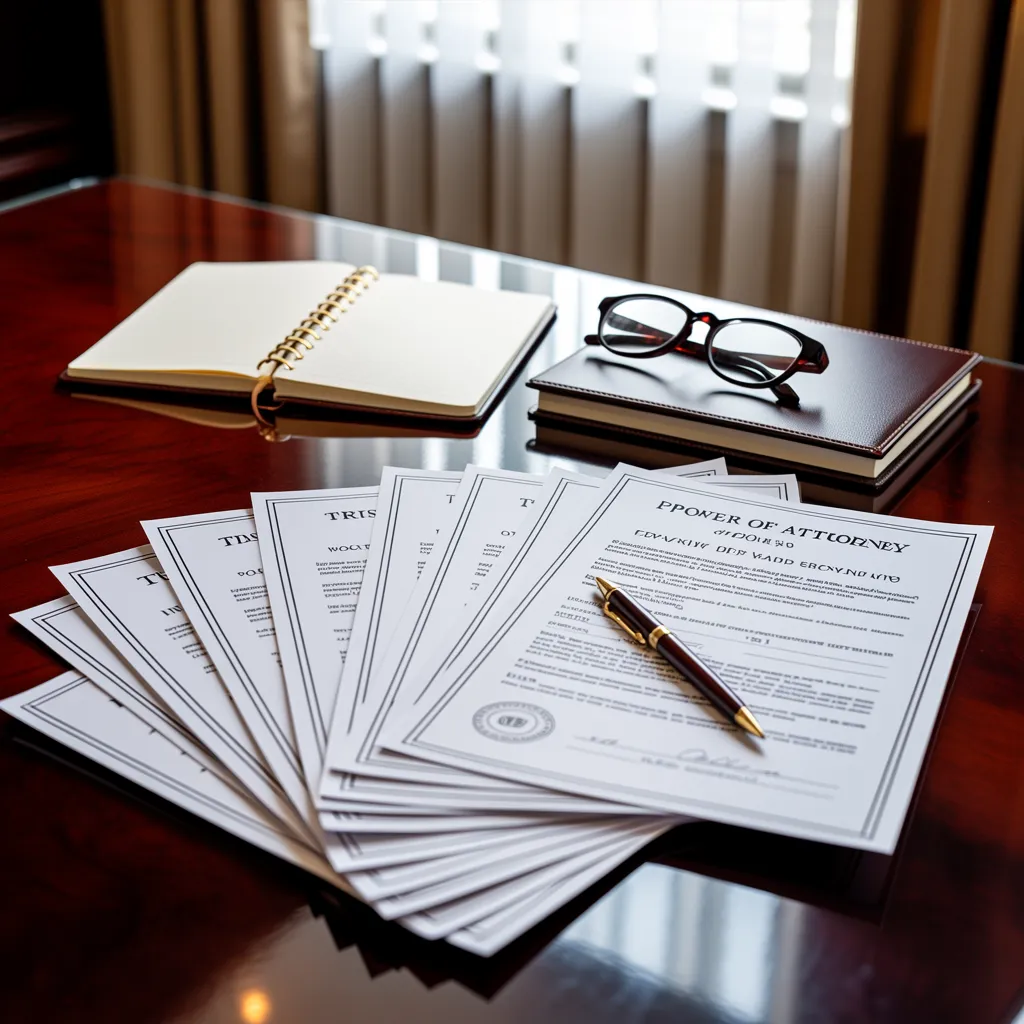
Grasping the Core Concepts of Legacy Planning for Seniors
Comprehending the basics of estate planning for seniors is important, as it ensures that their wishes are respected and their assets are distributed according to their preferences. This process includes a series of important steps to guarantee that monetary and legal matters are handled effectively. Seniors should start by assessing their assets, including properties, bank accounts, and personal belongings, to gain a clear comprehension of their property's value. Next, they need to consider their healthcare preferences, which can be documented through advance directives or powers of attorney. Determining who will inherit and making sure that they are informed of their responsibilities is also vital. By educating themselves about relevant laws and potential tax implications, seniors can decide wisely. Ultimately, a well-structured wealth plan not only protects their heritage but also reduces potential anxiety for family members during difficult times, allowing for a seamless transfer of assets.
Estate Structuring: The Purpose of Testamentary Documents and Trusts
In asset succession, trusts and wills achieve distinct but complementary objectives. Comprehending the importance of last testaments, paired with the strengths and types of trusts, stays critical for effective property management. Defining the essential distinctions between these options can facilitate seniors in making educated decisions about their succession planning tactics.
Learning Will's Reason
Wills represent crucial foundations of wealth planning, functioning as vital documents that set forth how an one's belongings will be allocated upon their death. They supply clear structure and direction, confirming that the departed's preferences are honored, which can help reduce disagreements among relatives. A will allows persons to appoint heirs, specify particular belongings for designated individuals, and even appoint guardians for underage offspring. This formal document also simplifies the legal probate, facilitating for executors to manage and distribute the estate. Moreover, wills can feature memorial plans, demonstrating personal preferences. Ultimately, comprehending the role of a will is vital for seniors working to preserve their legacy and secure their plans are fulfilled after their death.
Trusts: Pros and Types
Wills provide necessary directives for asset distribution, yet trusts add additional layers of protection and adaptability in estate planning. Trusts assist in handling assets during a individual’s lifetime and guarantee a smooth transfer upon death, reducing the need for probate. They can be tailored to particular needs, like special needs trusts for dependents or charitable trusts benefiting a cause. Moreover, revocable trusts permit changes as conditions shift, whereas irrevocable trusts provide fiscal benefits and asset protection. Through utilizing trusts, seniors retain control over their assets, protect their legacies, and provide for loved ones in an organized manner, enhancing the overall effectiveness of their estate planning strategies.
Main Variations Outlined
Even though both wills and trusts hold significant roles in estate planning, they differ considerably in their structure and function. A will is a legal document that details how an individual’s assets will be allocated after death and requires probate to authenticate its provisions. This process can be time-consuming and public, which might delay the distribution of assets. On the other hand, a trust enables asset transfer during the individual’s lifetime, bypassing probate and ensuring a more seamless transfer of wealth. Trusts offer enhanced privacy and control, with terms adaptable to particular conditions. Furthermore, trusts provide advantages such as tax benefits and asset protection, making them a versatile tool for thorough estate planning compared to the simpler method of a will.
Important Healthcare Documents Every Senior Must Evaluate
Within the domain of estate planning, healthcare directives play an essential role for seniors to confirm their medical preferences are followed. Living wills and powers of attorney are two significant components that give clear guidance on healthcare decisions when individuals might be not able to convey their desires. Knowing these directives can significantly improve the quality of care and provide peace of mind for both seniors and their families.
Living Testaments Clarified
A substantial number of older adults may encounter important healthcare decisions as they age, rendering advance directives a vital part of their estate planning. An advance directive is a legal document that details an individual's wishes for healthcare interventions and interventions in the case they become unable to communicate their desires. This document helps direct medical professionals and loved ones, guaranteeing that an person's desires regarding resuscitation efforts, comfort care, and other medical procedures are respected. By considering scenarios such as end-stage disease or irreversible conditions, advance directives offer understanding and reassurance. Older adults should think about talking about their wishes with family members and healthcare professionals to guarantee their advance directive accurately reflects their beliefs and desires.
Understanding Authority of Legal Proxy demonstrates the way a representative is able to function on your behalf.
Many seniors gain advantages by creating a Power of Attorney (POA) to ensure their healthcare decisions align with their values when they can no longer advocate for themselves. A POA enables people to appoint a reliable individual to handle medical decisions on their behalf, guaranteeing their wishes are honored. This vital document can cover specific treatments, terminal care, and organ donation preferences. By appointing a healthcare agent, seniors can alleviate the weight on family members who might grapple with difficult decisions during a emergency. It is essential for seniors to talk about their preferences frankly with their chosen agent and family, promoting comprehension and minimizing possible conflicts. Creating a Power of Attorney strengthens the general legacy planning structure, enhancing peace of mind for seniors and their loved ones.
Selecting the Best Executor: Things to Look For
Determining the right representative is an vital step in estate planning, as this party will be responsible for overseeing the distribution of assets and guaranteeing that the deceased's wishes are honored. When determining an executor, it is crucial to evaluate their dependability, ability to organize, and capacity to remain unbiased during emotionally challenging situations. The perfect candidate should have a good understanding of financial matters and legal procedures to manage any challenges that may arise. Additionally, determining someone who is available and prepared to assume the duties is crucial, as this position can be demanding of time. Reliability is essential, as the executor will manage confidential details and render important choices on behalf of the estate. It may also be advantageous to pick an executor who is geographically close, ensuring easier communication and cooperation throughout the estate administration process.
Common Pitfalls to Steer Clear Of in Estate Planning
Appointing an estate representative is one of several components that can control the effectiveness of an estate plan. One common mistake seniors make is putting off creating or updating their estate planning arrangements, which can precipitate surprising outcomes. Additionally, not sharing their wishes with family members can result in perplexity and disagreement after their loss. Many also fail to consider tax implications, which could change the estate's overall value.
A common error is failing to review their plans after significant life changes, such as marriage, divorce, or the birth of a child, which can render previous documents obsolete. Finally, overlooking to account for digital assets, such as online accounts and cryptocurrencies, may lead to complications in asset distribution. By steering clear of these challenges, seniors can help ensure that their legacies are maintained according to their preferences.
Recommendations for Reviewing and Updating Your Financial Plan
Regularly assessing and modifying an estate plan is vital for guaranteeing that it accurately reflects an individual's present desires and situations. Seniors should establish a routine review, preferably every three to five years or after significant life events, such as marriage, divorce, or the birth of a grandchild.
In the course of the review, it's vital to check beneficiary names on savings accounts and insurance policies, as these supersede wills. Retirees should also reconsider their designated estate administrator or trustee to ascertain they remain suitable for the position.
Legal and tax regulations may change, impacting the estate plan's viability; therefore, seeking counsel from an estate planning attorney can supply valuable insights. Additionally, conferring about your goals with family members can mitigate disagreements and foster transparency. By taking these steps, seniors can help secure their legacy and guarantee their estate plan remains reflective of their intentions.

Regularly Posed FAQs
What Strategies Can Help Me Minimize Estate Taxes for My Heirs?
To reduce estate taxes for heirs, learn more one can employ strategies such as transferring assets to heirs while still living, creating trust arrangements, and taking advantage of permitted tax credits and deductions available under current tax laws to decrease taxable estate amounts.
What occurs if I die without a estate planning arrangement?
When a person passes away without an estate plan, their assets get divided based on state regulations, potentially causing unintended heirs, probate complications, and increased tax liabilities, ultimately making the procedure more complicated for heirs and loved ones.
Is It Possible to Change My Estate Plan Once It's Finalized?
Yes, an person can modify their will after it has been established. Frequent assessments and modifications guarantee that the plan represents current wishes and circumstances, tackling any changes in life circumstances or monetary status.
How Frequently Should I Review My Designated Recipients?
Beneficiaries should undergo yearly assessment at minimum or following major personal milestones, including marriage, ending marriage, or the arrival of a child. Regular maintenance ensure that intentions align with current circumstances and personal ties.
What Purpose Does a Financial Advisor Serve in Estate Planning?
A money professional assists with wealth management by assessing assets, offering tax strategies, and confirming beneficiaries are properly designated. They also help individuals navigate complexities, coordinating estate plans with financial goals and personal wishes successfully.